

How to Talk to Elderly Parents About Safety Without Causing Conflict
As our parents age, many families face difficult conversations about health, mobility, and safety. Whether it’s discussing the risk of falls, using mobility aids, or making changes at home, these topics can be sensitive. Many older adults value their independence and may feel defensive when family members raise concerns.
If you’ve ever struggled with talking to elderly parents about safety, you’re not alone. The key is finding a balance between protecting their well-being and respecting their dignity. With the right approach, caregivers can have productive conversations that strengthen trust instead of creating conflict.
Why Safety Conversations Can Be Difficult
Many older adults associate safety discussions with losing independence. Suggestions such as using a walking aid, installing grab bars, or accepting help with daily activities may feel like signs of aging that they are not ready to acknowledge.
Common reasons elderly parents resist safety discussions include:
- Fear of losing independence
- Concerns about being a burden
- Embarrassment about physical limitations
- Previous negative experiences with healthcare or caregiving
- Feeling that family members are overreacting
Understanding these emotions is the first step toward effective caregiver communication.
Start with Empathy, Not Instructions
One of the biggest mistakes caregivers make is beginning the conversation with a list of concerns or demands.
Instead of saying:
“You need to stop climbing the stairs alone.”
Try:
“I’ve noticed the stairs seem more tiring lately. How are you feeling when you use them?”
Open-ended questions encourage discussion and show respect for your parent’s perspective.
Tips for Empathetic Communication
- Listen more than you speak.
- Avoid interrupting.
- Validate their feelings.
- Focus on understanding before offering solutions.
- Use a calm and supportive tone.
When elderly parents feel heard, they are more likely to consider safety recommendations.
Choose the Right Time and Place
Timing matters. Bringing up safety concerns during a stressful situation or immediately after an accident can lead to emotional reactions.
Choose a moment when:
- Everyone is calm
- There are no distractions
- You have enough time to talk
- The discussion can remain private
Avoid discussing sensitive matters in front of other family members unless your parent prefers group conversations.
Creating a comfortable environment can significantly improve the outcome of caregiver communication.
Focus on Shared Goals
Rather than emphasizing limitations, focus on what your parent wants to continue doing.
For example:
- Staying in their own home
- Visiting friends and family
- Attending religious activities
- Maintaining independence
Explain how safety measures support these goals.
Instead of saying:
“You need a walker because you’re unstable.”
Say:
“Using a walker can help you continue enjoying your daily walks safely.”
This shifts the conversation from restriction to empowerment.
Use Real-Life Examples Carefully
Many stubborn elderly parents respond better when they understand the practical consequences of ignoring safety risks.
You can gently reference:
- Recent near-falls
- Difficulties getting up from chairs
- Trouble navigating slippery bathrooms
- Friends who benefited from safety modifications
Avoid fear tactics or exaggeration. The goal is awareness, not intimidation.
Involve Them in Decision-Making
No one likes being told what to do.
Instead of presenting a finished plan, invite your parent to participate in decisions.
Ask questions such as:
- “What changes would make you feel safer?”
- “Would you prefer a cane or a walker?”
- “Which room should we improve first?”
Giving them choices helps preserve independence and reduces resistance.
This approach is especially helpful when dealing with stubborn elderly parents who may feel their autonomy is being threatened.

Discuss Elderly Fall Prevention Early
Falls are one of the leading causes of injury among older adults. Waiting until after a fall occurs can make recovery more difficult.
Important elderly fall prevention topics include:
Home Environment
- Remove loose rugs
- Improve lighting
- Install grab bars in bathrooms
- Keep walkways clutter-free
- Use non-slip mats
Mobility Support
- Walking canes
- Rollators
- Walkers
- Wheelchairs for longer distances
Physical Health
- Regular exercise
- Balance training
- Vision checks
- Medication reviews
Presenting fall prevention as a proactive measure often feels less threatening than discussing physical decline.
Avoid Power Struggles
Arguments rarely change minds.
If your parent becomes defensive:
Do:
- Stay calm
- Acknowledge their feelings
- Pause the conversation if necessary
- Return to the topic later
Don’t:
- Lecture
- Shame them
- Threaten loss of independence
- Compare them to others
Remember, safety conversations are often ongoing discussions rather than one-time events.
Patience is one of the most valuable caregiver skills.
Practical Tips for Better Caregiver Communication
Use these strategies to improve conversations about safety:
Use “I” Statements
Instead of:
“You’re being careless.”
Say:
“I worry when I see you having difficulty getting around.”
Keep Discussions Specific
Focus on one issue at a time rather than listing multiple concerns.
Offer Solutions, Not Problems
Pair every concern with a practical option.
Example:
- Concern: Difficulty standing up
- Solution: Lift chair or support rail
Celebrate Small Wins
Positive reinforcement helps build cooperation.
For example:
“I’m glad you tried the grab bar. It seems to make things easier.”
Recommended Products to Improve Elderly Safety
The right equipment can help older adults maintain independence while reducing risks.
1. Grab Bars and Bathroom Safety Aids
Bathrooms are among the most common locations for falls.
Benefits:
- Improved stability
- Greater confidence
- Reduced slipping risk
2. Walking Aids
Suitable options include:
- Walking canes
- Quad canes
- Rollators
- Standard walkers
Benefits:
- Better balance
- Increased mobility
- Reduced fall risk
3. Wheelchairs
For individuals with reduced endurance or mobility challenges, wheelchairs can improve participation in daily activities and family outings.
4. Shower Chairs
Ideal for seniors who experience fatigue or balance concerns during bathing.
Benefits:
- Safer bathing experience
- Greater independence
- Reduced caregiver stress
5. Home Care Beds
For seniors recovering from illness or managing chronic conditions, adjustable home care beds can improve comfort and safety.
At Neolee Rehab Supply, we offer a wide range of rehabilitation and mobility solutions designed to support both elderly users and their caregivers.
Frequently Asked Questions (FAQs)
How do I start talking to elderly parents about safety?
Begin with empathy and curiosity. Ask open-ended questions about how they feel managing daily activities rather than immediately suggesting changes.
What should I do if my parent refuses help?
Stay patient and avoid arguing. Focus on understanding their concerns and revisit the conversation later. Sometimes gradual discussions are more effective than one major conversation.
Why are some elderly parents resistant to safety advice?
Many older adults fear losing independence. Resistance often comes from emotional concerns rather than disagreement about safety itself.
How can I improve caregiver communication?
Listen actively, avoid judgment, use respectful language, and involve your parent in decision-making whenever possible.
What are the most important elderly fall prevention measures?
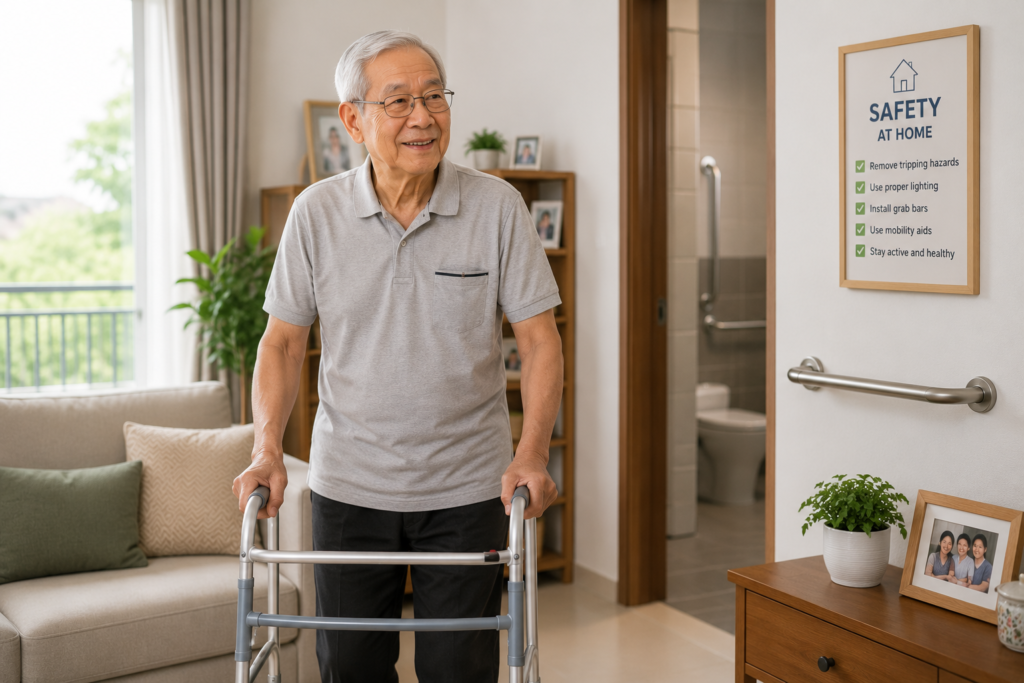
Key strategies include removing trip hazards, improving lighting, installing grab bars, using mobility aids when needed, and maintaining physical activity.
Conclusion
Having conversations about safety with aging parents can be challenging, but they are essential for maintaining health, independence, and quality of life. Successful talking to elderly parents about safety requires empathy, patience, and respect.
By focusing on collaboration instead of control, caregivers can build trust and encourage positive changes that protect their loved ones without creating unnecessary conflict.
If you’re looking for trusted mobility aids, bathroom safety equipment, wheelchairs, walkers, or home care solutions, Neolee Rehab Supply is here to help. Contact our team today for expert guidance in choosing the right products to support your loved one’s safety and independence.

