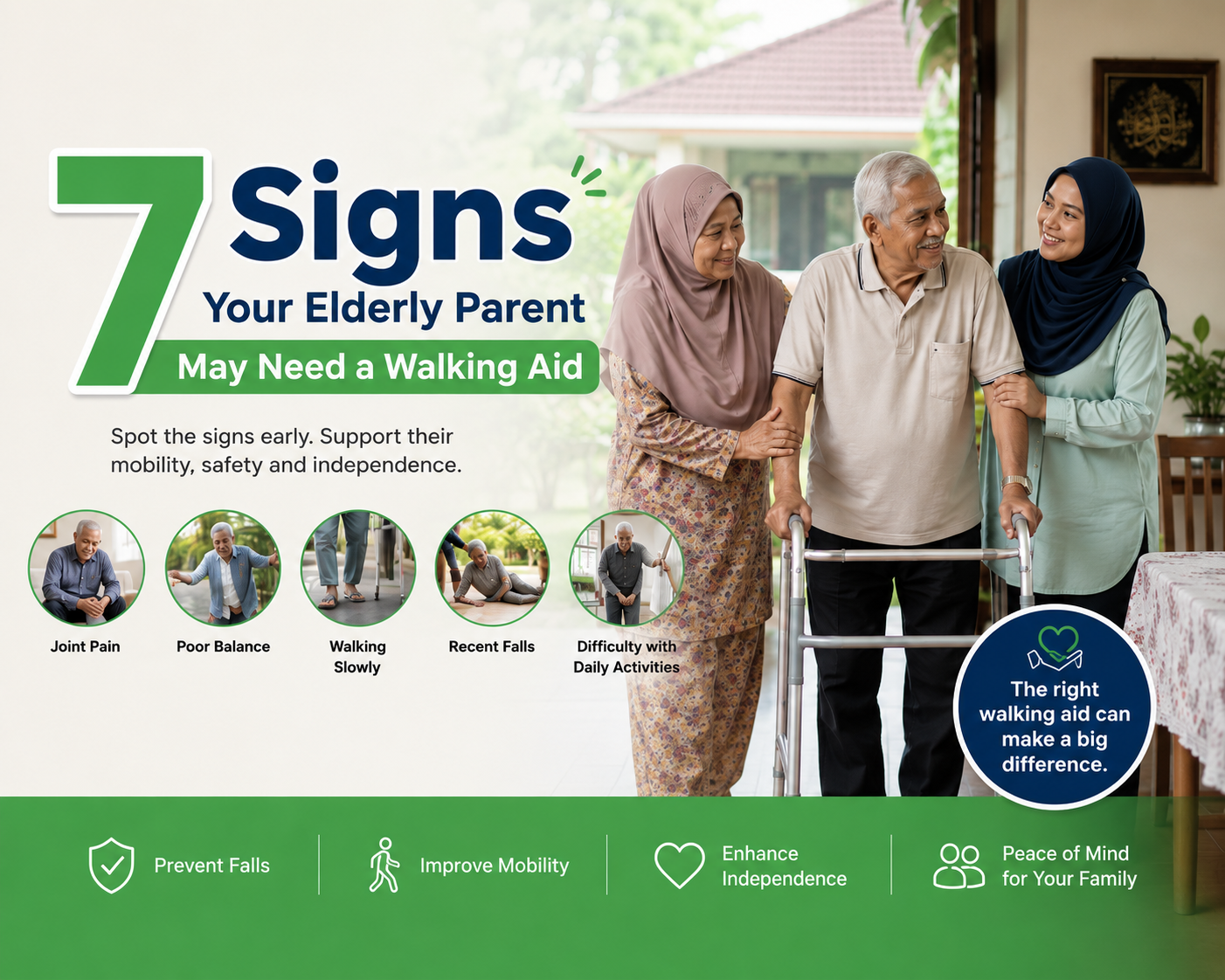
7 Signs Your Elderly Parent May Need a Walking Aid
As our parents grow older, simple daily movements such as walking to the kitchen, visiting the surau, going to the pasar pagi, or climbing stairs may become more challenging. In many Malaysian and Asian families, elderly parents prefer to stay independent for as long as possible. However, mobility difficulties can increase the risk of falls and injuries if left unaddressed.
Recognising the signs elderly need walking aid early can help families provide timely support while preserving dignity and independence. Whether it is a walking stick, walker, or wheelchair, the right mobility aid for seniors can greatly improve quality of life.
In this article, we will explore seven common warning signs, practical fall prevention tips, and suitable mobility aid recommendations for elderly users in Malaysia.
Why Walking Aids Matter for Seniors
Mobility challenges are common among elderly individuals due to ageing, arthritis, stroke recovery, muscle weakness, or balance issues. A proper walking frame for elderly users can help:
- Reduce the risk of falls
- Improve balance and confidence
- Support rehabilitation recovery
- Encourage independence
- Reduce strain on caregivers
For many Asian families, mobility aids also allow elderly parents to continue participating in family gatherings, religious activities, and community events comfortably.
1. Frequent Loss of Balance
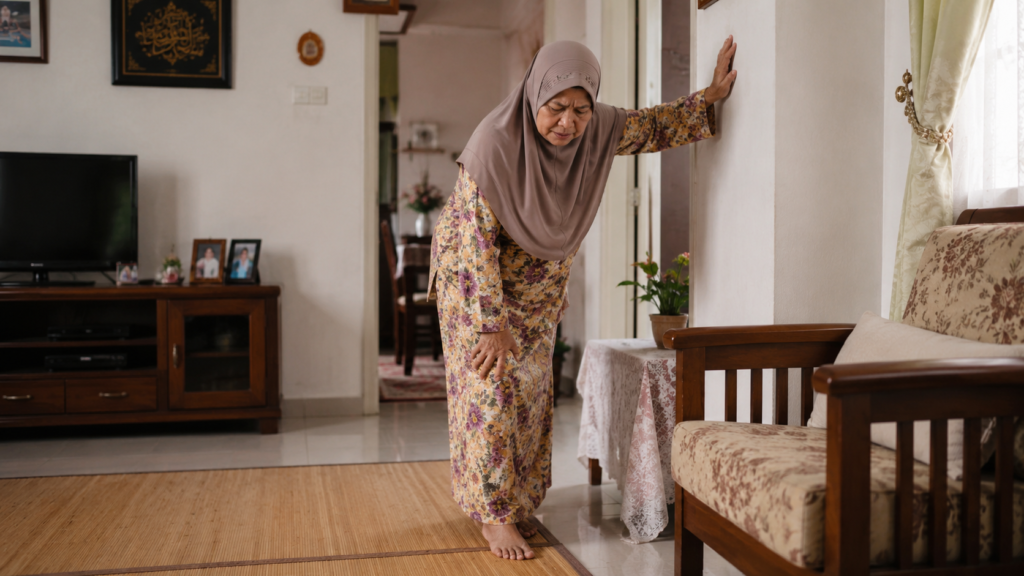
One of the clearest signs elderly need walking aid is difficulty maintaining balance while standing or walking.
Your parent may:
- Sway while walking
- Hold onto walls or furniture
- Feel dizzy often
- Struggle when turning around
Balance problems can become dangerous, especially in slippery environments such as bathrooms or outdoor wet markets common in Malaysia.
Why It Matters
Poor balance significantly increases the risk of falls, which can lead to fractures or hospitalisation.
2. Recent Falls or Near-Falls
Falls are a major concern for elderly individuals. Even if your parent has not suffered a serious injury, repeated near-falls should not be ignored.
Common signs include:
- Tripping frequently
- Slipping while walking
- Difficulty getting up from chairs
- Fear after a previous fall
Effective fall prevention elderly strategies often include introducing suitable walking aids early.
Tip:
Do not wait for a major accident before seeking support. Prevention is always safer and more affordable than treatment.
3. Walking More Slowly Than Before
A noticeable reduction in walking speed may indicate muscle weakness or joint pain.
You may observe:
- Taking very small steps
- Needing frequent breaks
- Lagging behind during family outings
- Difficulty crossing roads safely
Many seniors slow down because they fear losing balance. A proper mobility aid for seniors can help restore confidence.
Common Causes
- Arthritis
- Knee pain
- Stroke recovery
- Muscle degeneration
- Poor stamina
4. Complaints of Joint Pain or Weakness
Pain in the knees, hips, ankles, or lower back can affect mobility and posture.
Your parent may say:
- “My legs feel weak.”
- “My knees hurt when I walk.”
- “I feel tired very quickly.”
Instead of forcing movement without support, using a walking frame for elderly users can reduce pressure on painful joints.
Benefits of Walking Aids for Joint Pain
- Better weight distribution
- Reduced strain on knees and hips
- Improved posture
- Safer movement indoors and outdoors
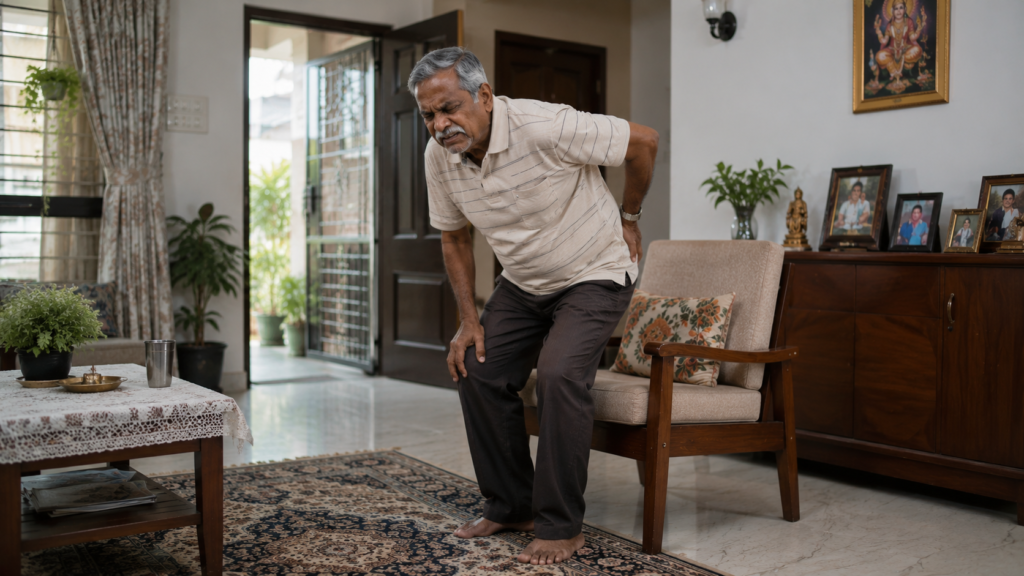
5. Difficulty Standing Up or Sitting Down
If your parent struggles to get up from a chair, bed, or toilet seat, it may signal declining lower body strength.
Watch for:
- Using both hands heavily for support
- Rocking back and forth before standing
- Taking a long time to sit safely
This issue is especially common among seniors with:
- Osteoarthritis
- Stroke history
- Muscle weakness
- Parkinson’s disease
A walker or walking aid provides additional stability during these movements.
6. Reduced Confidence When Walking Outside
Some elderly individuals become anxious when walking outdoors due to uneven roads, crowded places, or stairs.
You may notice them:
- Avoiding social activities
- Refusing to visit relatives
- Feeling nervous in shopping malls
- Holding tightly onto caregivers
In Asian culture, social gatherings and family events are important for emotional wellbeing. A reliable mobility aid for seniors can help elderly users stay active and connected.
Emotional Impact
Loss of mobility often affects:
- Confidence
- Mental health
- Independence
- Social participation
7. Doctor or Therapist Recommendation
Sometimes healthcare professionals may recommend walking aids after:
- Surgery
- Stroke rehabilitation
- Hospital discharge
- Physiotherapy assessment
It is important to follow professional advice early to avoid complications.
Walking aids are not a sign of weakness. Instead, they are tools that support safer recovery and better mobility.
Practical Fall Prevention Tips for Elderly Parents
Besides choosing the right walking aid, families can improve home safety with these simple measures.
Improve Home Safety
- Remove loose rugs and clutter
- Install grab bars in bathrooms
- Ensure proper lighting at night
- Use non-slip mats
Encourage Safe Footwear
Choose:
- Non-slip shoes
- Comfortable sandals with back straps
- Properly fitted footwear
Avoid:
- Loose slippers
- High heels
- Worn-out sandals
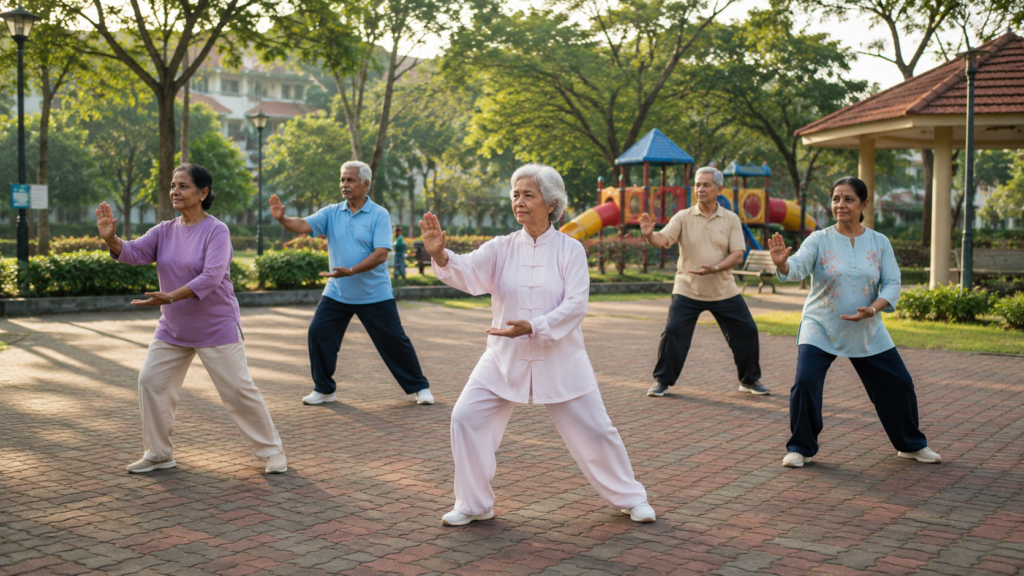
Support Regular Exercise
Gentle exercises can improve:
- Leg strength
- Balance
- Flexibility
Suitable activities include:
- Tai Chi
- Walking
- Light stretching
- Physiotherapy exercises
Recommended Mobility Aids for Seniors
Choosing the right mobility aid depends on the user’s condition, strength, and lifestyle.
1. Walking Cane
Suitable for:
- Mild balance issues
- Minor leg weakness
Benefits:
- Lightweight
- Easy to carry
- Affordable
2. Walking Frame for Elderly
Suitable for:
- Poor balance
- Weak legs
- Post-surgery recovery
Benefits:
- Stable support
- Safer indoor movement
- Helps reduce fall risk
3. Rollator Walker
Suitable for:
- Active seniors
- Outdoor use
- Longer walking distances
Benefits:
- Wheels for smoother movement
- Built-in seat for resting
- Storage basket convenience
4. Wheelchair
Suitable for:
- Severe mobility limitations
- Long-distance movement
- Rehabilitation support
Benefits:
- Reduced physical strain
- Greater comfort
- Easier caregiver assistance
How Families Can Introduce Walking Aids Respectfully
Many elderly parents initially resist using mobility aids because they fear losing independence.
Here are gentle ways to encourage acceptance:
- Focus on safety, not weakness
- Involve them in choosing the aid
- Explain how it supports independence
- Let them try it gradually at home
- Use positive language
In Malaysian and Asian households, respecting elders’ dignity is very important. Patience and understanding can make the transition smoother.
FAQs
1. What are the common signs elderly need walking aid?
Common signs include poor balance, frequent falls, joint pain, slow walking speed, and difficulty standing or walking independently.
2. What is the best mobility aid for seniors?
The best mobility aid depends on the individual’s condition. Walking canes, walkers, rollators, and wheelchairs each serve different mobility needs.
3. Can walking aids prevent falls?
Yes. Properly fitted walking aids are highly effective for fall prevention elderly users by improving balance and stability.
4. When should elderly parents start using a walking frame?
Seniors should consider a walking frame for elderly support when they experience instability, weakness, or difficulty walking safely.
5. Are walking aids only for very old people?
No. Walking aids are suitable for anyone recovering from injury, surgery, stroke, or mobility-related conditions regardless of age.
Conclusion
Recognising the early signs elderly need walking aid can help prevent injuries and improve your loved one’s quality of life. Mobility challenges should never be ignored, especially when simple support solutions can make daily activities safer and more comfortable.
From canes to walkers and wheelchairs, the right mobility aid for seniors helps elderly parents maintain independence, confidence, and dignity.
At Neolee Rehab Supply, we are committed to helping Malaysian families find reliable rehabilitation and mobility solutions tailored to their needs.
Need Help Choosing the Right Walking Aid?
Contact Neolee Rehab Supply today for professional guidance on the best mobility and rehabilitation products for your loved ones.