
Skip to content

Store LocatorTrack Your Order

Account Login
Neolee Rehab Supply
  • Compare
  • Wishlist
  • Home
  • Special Offers
  • Products
  • About Us
  • Blog
  • FAQ
  • Contact Us

Store LocatorTrack Your Order

Account Login
Neolee Rehab Supply

Search
Home / Prosthetic Leg Service

Prosthetic Leg Service

Understanding Prosthetic Legs

A prosthetic leg planned around your body and daily life

A prosthetic leg is not simply selected from a shelf. It must be planned around the level of limb loss, residual-limb condition, comfort, daily activities and individual mobility goals.

Neolee Rehab Supply provides personalised assessment, measurement, casting, fabrication, fitting and follow-up support. Each prosthetic solution is developed according to the individual assessment and readiness for fitting.

Personalised Planning

What shapes your prosthetic solution?

01 Level of Limb Loss Whether the prosthesis is required below or above the knee.
02 Residual-Limb Condition Healing, skin tolerance, sensitivity, shape and changes in volume.
03 Movement and Stability Strength, balance, transfers and current walking ability.
04 Lifestyle and Goals Home, work, travel, preferred activities and everyday mobility needs.
Readiness for Assessment

When prosthetic fitting can begin

Prosthetic fitting normally begins after the surgical wound has healed and the residual limb is ready for assessment. Readiness differs from one person to another and depends on several physical and medical factors.

Wound and Skin Condition

The wound should be properly healed, with the surrounding skin in a suitable condition for examination, measurement and fitting.

Swelling and Limb Shape

Swelling and changes in residual-limb volume should be reviewed because they can affect measurements, socket fit and comfort.

Pain and Sensitivity

Pain, tenderness and sensitive areas should be identified so that comfort and pressure distribution can be considered during planning.

Strength and Balance

Strength, sitting and standing balance, transfers and current mobility help determine the level of support that may be required.

General Health

Overall health, stamina and recovery progress may influence when assessment begins and how the fitting process is planned.

Medical Information

Relevant health conditions, medication, rehabilitation progress and guidance from the healthcare team should be shared during assessment.

Prosthetic Options

Types of prosthetic legs

The type of prosthetic leg required is primarily determined by the level of limb loss. Each solution must then be planned according to the residual limb, physical ability, daily environment and individual mobility goals.

01
Below the Knee

Transtibial Prosthesis

A transtibial prosthesis replaces the part of the leg below the knee. Because the natural knee joint remains, planning generally focuses on creating a comfortable connection between the residual limb and the prosthesis while supporting safe movement.
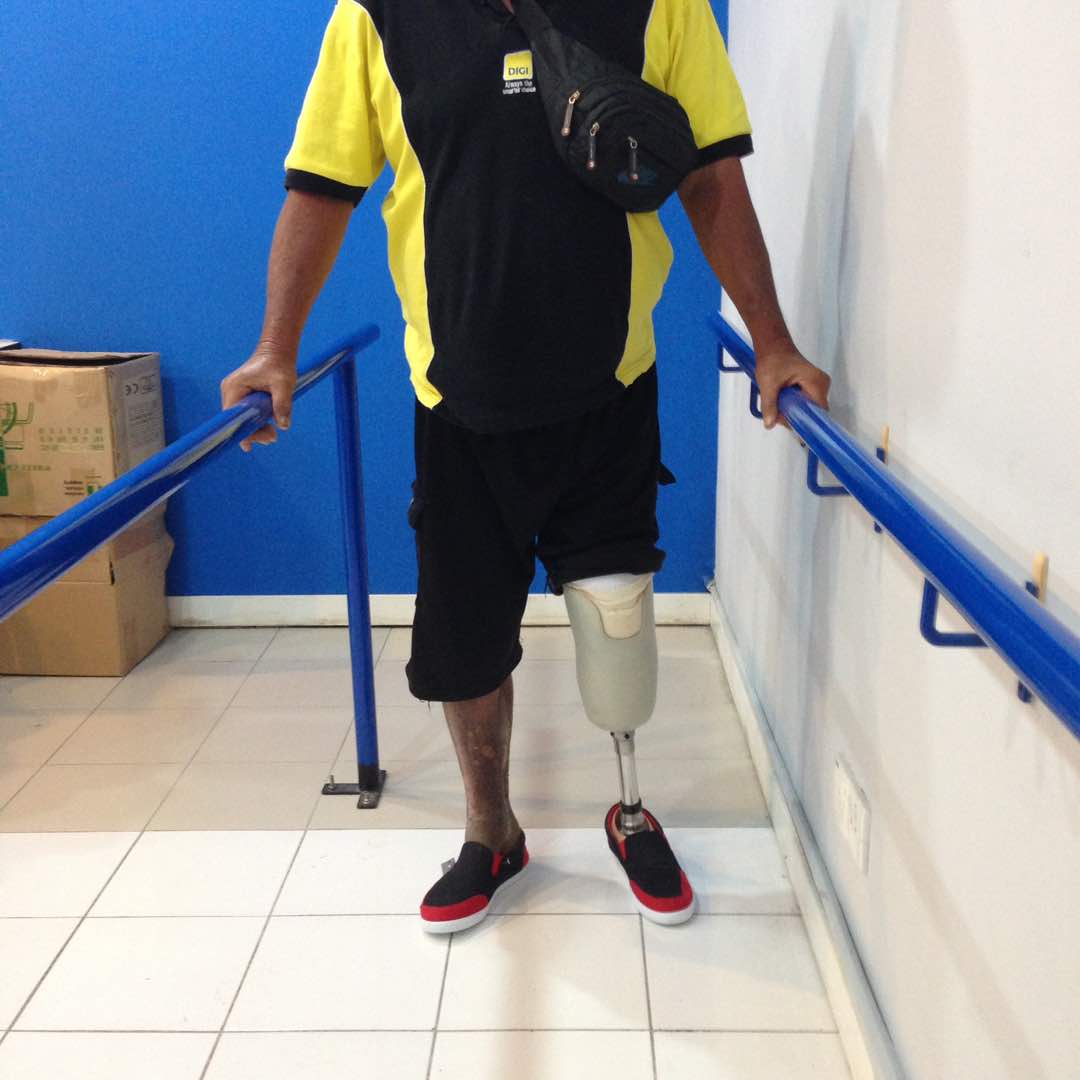
Main planning considerations

  • Residual-limb shape, skin condition and sensitive areas
  • Socket fit, comfort and pressure distribution
  • Suspension, foot selection and overall alignment
  • Balance, activity level and walking environment
02
Above the Knee

Transfemoral Prosthesis

A transfemoral prosthesis replaces the part of the leg above the knee. It includes an artificial knee joint, so planning must also consider knee stability, control and the additional energy required during movement.
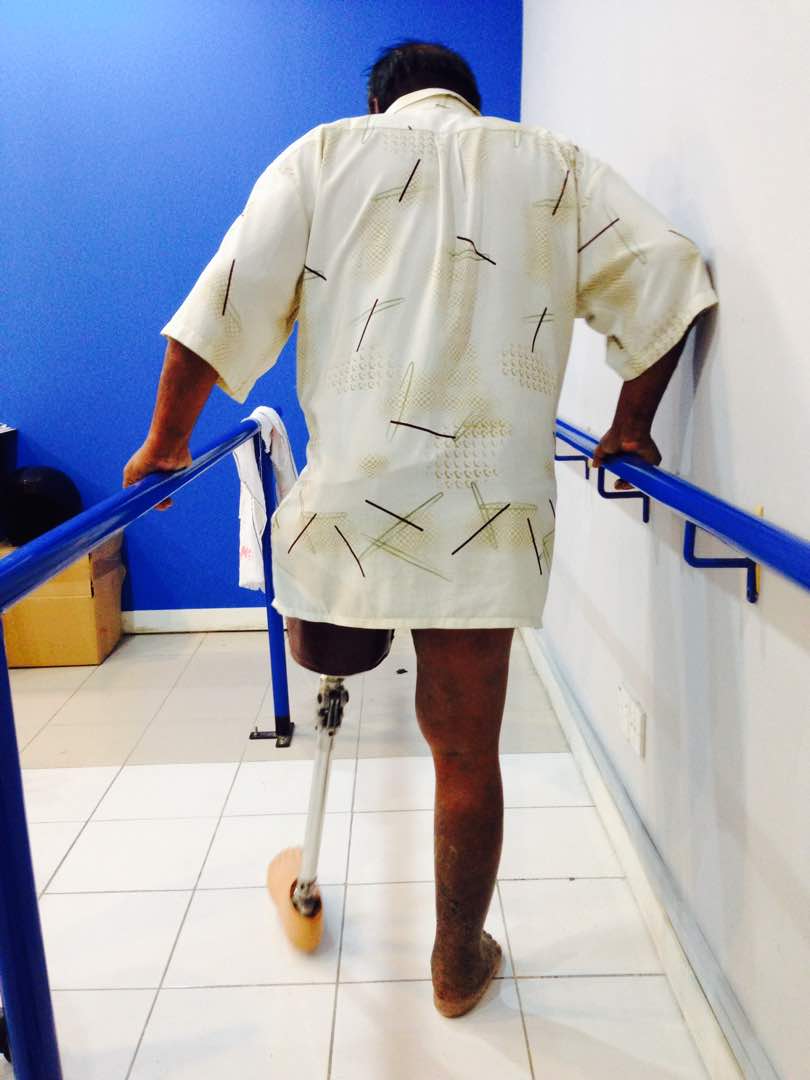
Main planning considerations

  • Residual-limb condition, length and socket comfort
  • Knee stability, control and component selection
  • Strength, balance and ability to manage the prosthesis
  • Daily activities, energy demands and safety requirements
Before Your Visit

Preparing for your appointment

A little preparation can help make your first prosthetic appointment more useful. Bring any relevant items and information that may help the team understand your condition, daily routine and mobility needs.

01 Begin Here

Confirm the service location and appointment first

Contact Neolee before travelling to confirm where the prosthetic service is available, arrange a suitable appointment and check whether any documents or medical information should be prepared in advance.

Wear Suitable Clothing

Choose comfortable clothing that allows the residual limb and surrounding area to be assessed appropriately.

Bring Current Equipment

Bring your current prosthesis, liner, walking aid or other relevant mobility equipment when applicable.

Prepare Your Daily Goals

Think about your home routine, work, travel, preferred activities and the mobility concerns you want to discuss.

Share Health Information

Provide relevant information about your health, medication, pain, skin condition and recovery progress.

Common Questions

Frequently asked questions

Find answers to common questions about prosthetic leg types, fitting, appointments, adjustments and personalised prosthetic care.

What is a transtibial prosthesis?

A transtibial prosthesis replaces the part of the leg below the knee. The natural knee joint remains, while the prosthesis includes a custom-planned socket and suitable lower-leg components.

What is a transfemoral prosthesis?

A transfemoral prosthesis replaces the part of the leg above the knee. It includes an artificial knee joint, socket and other components selected according to the user’s condition and mobility needs.

When can I start prosthetic leg fitting after surgery?

Fitting normally begins after the wound has healed and the residual limb is ready for assessment. Timing varies, so follow the guidance of the healthcare professionals managing your recovery.

How many appointments will I need?

The number of appointments varies according to the assessment, type of prosthesis and adjustments required. Measurement, fitting and review may take place over several visits.

Is the prosthetic leg custom-made?

The prosthetic socket is planned around the individual residual limb. Components are selected according to factors such as fit, stability, physical ability, daily activities and mobility goals.

What should I bring to the first appointment?

Bring relevant medical information and your current prosthesis, liner or mobility aid when applicable. Wear suitable clothing and prepare any questions, daily-activity goals or mobility concerns you want to discuss.

Will I need adjustments after receiving the prosthesis?

Adjustments are a normal part of prosthetic care. Residual-limb volume, activity, footwear and physical condition can change, which may affect socket fit, comfort and alignment.

Who should I contact to book an appointment?

Contact Neolee Rehab Supply directly to confirm the prosthetic service location, appointment availability and anything you should prepare before your visit.

Prosthetic Leg Service Malaysia | Neolee Rehab Supply
About Prosthetic Legs

Helping you walk again with confidence

A transtibial or transfemoral prosthesis is an artificial limb designed to replace a leg missing below or above the knee. Every prosthetic leg is individually planned according to the wearer’s condition, measurements, comfort and daily needs.

The fitting process may begin after the surgical wound has healed and the individual has been assessed as ready. Our technician will evaluate the residual limb, take detailed measurements and recommend a suitable solution.

BK

Transtibial Prosthesis

A prosthetic leg designed for an individual with limb loss below the knee.

AK

Transfemoral Prosthesis

A prosthetic leg designed for an individual with limb loss above the knee.

●
Assessment is essential. Suitability, fitting time and component selection depend on healing, physical condition and the technician’s evaluation.
Made for the Individual

Personalised assessment, fitting and support

Our process focuses on an accurate fit, practical function and ongoing comfort throughout your prosthetic journey.

Prosthetic Leg Process

Your personalised prosthetic journey

Each prosthetic leg is custom-built through assessment, measurement, fabrication, fitting and adjustment.

01

Assessment & Fabrication

The beginning of your prosthetic journey.

1

Book an Assessment

Contact Neolee at 03 9212 9402 to arrange an initial assessment at our centre.

2

Condition Assessment

Our technician evaluates the residual limb and discusses the most suitable prosthetic approach.

3

Detailed Measurements

Measurements are recorded carefully because each prosthesis is built for its individual wearer.

4

Mould Creation

A mould is created from the measurements and limb shape to support a more accurate fit.

5

Prosthesis Fabrication

The technician begins constructing the prosthetic leg using the approved design and selected components.

02

Fitting & Adjustment

Improving fit, comfort and confidence.

6

Fitting Session

When fabrication is complete, we arrange a fitting session to assess the prosthesis on the wearer.

7

Comfort Evaluation

The technician checks whether the fit feels too tight or loose and makes the necessary adjustments.

8

Cosmetic Finishing

Once the fit is comfortable, an appropriate cosmetic finish can be shaped around the prosthesis.

9

Use & Care Guidance

You receive guidance on wearing, cleaning and caring for the prosthetic leg correctly.

Behind the Process

How a custom prosthetic leg is made

A simplified look at several stages involved in producing an individually fitted prosthesis.

Technician taking measurements and preparing a prosthetic leg mould
Stage 01

Measurements and mould preparation

Polypropylene material being heated during prosthetic fabrication
Stage 02

Heating and shaping the material

Prosthetic mould being cleaned before component assembly
Stage 03

Cleaning and preparing the mould

Completed below-knee prosthetic leg
Stage 04

Completed below-knee prosthesis

These images provide a simplified overview of fabrication. The exact process, materials and components may vary according to the individual assessment and prescribed design.

Ongoing Support

We stay with you after fitting

Support does not end when your prosthetic leg is completed. You are welcome to return for checks, adjustments or further discussion with our technician.

✓

Secure Fitting

Assessment and adjustment help achieve a stable and appropriate fit.

✓

Technician Support

Our technician can assist when you need advice or a follow-up check.

✓

Further Adjustments

Changes may be made when comfort or fitting requirements change.

✓

Care Guidance

Follow the technician’s advice on wearing, cleaning and maintaining your prosthesis.

Frequently Asked Questions

Before starting your prosthetic journey

When can the prosthetic fitting process begin?

The process generally begins after the surgical wound has healed and an appropriate healthcare professional or prosthetic technician has confirmed readiness for assessment.

What is the difference between transtibial and transfemoral prostheses?

A transtibial prosthesis replaces a leg below the knee, while a transfemoral prosthesis replaces a leg above the knee.

Is every prosthetic leg custom-made?

The socket and overall configuration are planned using individual measurements, limb condition, comfort requirements and intended use. The recommended components may differ between wearers.

Will adjustments be available after fitting?

Yes. Follow-up checks and adjustments may be recommended when comfort, fit or physical condition changes.

How do I arrange an assessment?

Contact Neolee at 03 9212 9402 to discuss your condition and schedule an assessment at the advised centre.

Begin your journey with Neolee

Contact our team to arrange an assessment or learn more about transtibial and transfemoral prosthetic legs.

Call 03 9212 9402
  • Contact our HQ for corporate deals, special pricing, and B2B opportunities. Whether for tenders, NGO collaborations, dealership, or government projects — we’re ready to partner with you. Reach out to our headquarters for more details.
Facebook Twitter Youtube
  • Ⓒ b2025 Neolee Rehab Supply Sdn Bhd

Quicklinks

  • Home
  • About Us
  • Products
  • Special Offers
  • Blog
  • FAQ
  • Contact Us

Contact Details

  • Wheelchairs
  • Hospital Beds
  • Anti Bedsore
  • Hospital Furniture
  • Incontinence Care
  • Medical Devices
  • Walking Aids
  • Rehabilitation
  • Special Needs
  • Emergency & First Aids

Contact Details

  • Wheelchairs
  • Hospital Beds
  • Anti Bedsore
  • Hospital Furniture
  • Incontinence Care
  • Medical Devices
  • Walking Aids
  • Rehabilitation
  • Special Needs
  • Emergency & First Aids
  • Contact our HQ for corporate deals, special pricing, and B2B opportunities. Whether for tenders, NGO collaborations, dealership, or government projects — we’re ready to partner with you. Reach out to our headquarters for more details.
Whatsapp Tiktok Facebook Youtube Instagram Threads
  • Ⓒ b2025 Neolee Rehab Supply Sdn Bhd

Quicklinks

  • Home
  • About Us
  • Products
  • Special Offers
  • Blog
  • FAQ
  • Contact Us

Product Categories

  • Hospital Furniture
  • Medical Device
  • Walking Aids
  • Bathroom Care
  • Wheelchairs
  • Anti Bedsore
  • Hospital Beds
  • Adaptive Living
  • Rehabilitation
  • Children's Product
  • Emergency & First Aid
  • Supplements
  • Contact our HQ for corporate deals, special pricing, and B2B opportunities. Whether for tenders, NGO collaborations, dealership, or government projects — we’re ready to partner with you. Reach out to our headquarters for more details.
Whatsapp Tiktok Facebook Youtube Instagram Threads

Quicklinks

  • Home
  • About Us
  • Products
  • Special Offers
  • Blog
  • FAQ
  • Contact Us

Product Categories

  • Hospital Furniture
  • Medical Device
  • Walking Aids
  • Bathroom Care
  • Wheelchairs
  • Anti Bedsore
  • Hospital Beds
  • Adaptive Living
  • Rehabilitation
  • Children's Product
  • Emergency & First Aid
  • Supplements
  • Wheelchairs
  • Bathroom Care
  • Walking Aids
  • Medical Devices
  • Hospital Beds
  • Anti Bedsore
  • Hospital Furniture
  • Electric Powered Hospital Beds
  • Rehabilitation
  • Children's Product
  • Emergency & First Aid
  • Supplements
  • Manual Hospital Beds
  • Karma Wheelchair
  • Transit Travel Wheelchairs
  • Lightweight Wheelchairs
  • Steel Wheelchairs
  • Reclining Wheelchairs
  • Child (Paediatric) Wheelchair
  • Electric Wheelchairs
  • Accessory
  • Commode Chairs
  • Bathroom Safety
  • Adult Diaper
  • Canes
  • Walkers
  • Foot Protection
  • Patient Hoist
  • Medical Devices
  • Anti Tremor Utensil
  • ProCare
  • Exercise
  • DonJoy
  • Aircast
  • Walker
  • Standing Frames
  • Special Stroller
  • Sitting Frames
  • Prestan
  • Nihon Kohden
  • Mindray
  • Act Fast
  • Ⓒ b2025 Neolee Rehab Supply Sdn Bhd

Shopping Cart

No products in the cart.

Select the fields to be shown. Others will be hidden. Drag and drop to rearrange the order.
  • Image
  • SKU
  • Rating
  • Price
  • Stock
  • Availability
  • Add to cart
  • Description
  • Content
  • Weight
  • Dimensions
  • Additional information
Click outside to hide the comparison bar
Compare
Scroll to top
  • Home
  • Special Offers
  • Products
  • About Us
  • Blog
  • FAQ
  • Contact Us
Search
Language:
EN | BM | 中文
🇺🇸 | 🇲🇾 | 🇨🇳